In recent years, the Scrap Business in India has proven to be one of the most favourable entrepreneurial ventures, not only profitable but also environmentally friendly. With further development of the Indian economy and the rise in urbanisation, the volume of waste products, including metallic and plastic waste, electronic devices, and more, is increasing at levels previously unheard of. This offers entrepreneurs significant potential to venture into the recycling and scrap collection industry.
Not only does launching Scrap Business deliver significant financial returns, but it also makes a meaningful contribution to environmental protection and sustainable development. Whether you are looking at setting up a small-scale collection unit or a big-scale recycling plant, this informative guide will take you through all the on-the-job information about setting up and operating a successful Scrap Business in India, including exploring MSME business ideas during the initial planning stage, what you must know during initial planning on licensing as well as what to do to make a lot of money, and this is all in the business.
So, let’s learn how to start a scrap business in India in 2026!
What Is a Scrap Business?
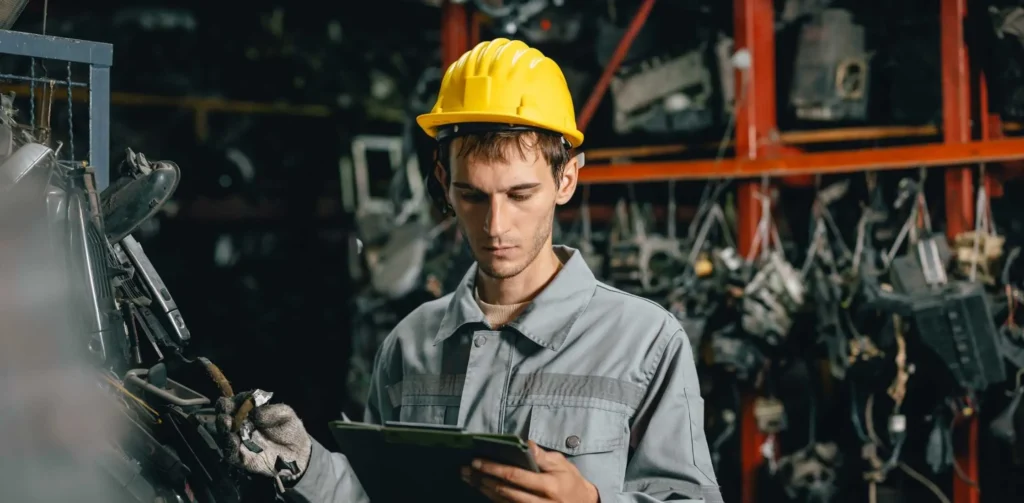
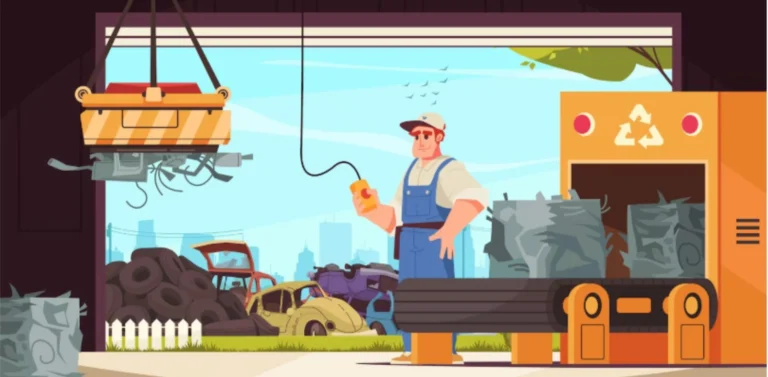
A Scrap Business refers to gathering, sorting, manufacturing and selling discarded waste that is recyclable or reusable in the manufacturing process. These waste materials include metals such as iron, aluminium, copper, and brass; plastics; paper; electronics; glass; and rubber.
The business philosophy is based on buying scrap at a low price, sorting and processing it, and commercialising it to final users at a favourable margin, thereby supporting a sustainable circular economy.
Scope
- Extensive Material Accessibility: According to the Solid Waste Management Rules, 2026, urban India generates around 1.85 lakh tonnes of solid waste per day. Of this, 1.79 lakh tonnes are collected and around 1.14 lakh tonnes are processed or treated before disposal — highlighting a significant gap between generation and processing.
- Government Support Programs: Policies such as the Swachh Bharat Mission, Extended Producer Responsibility (EPR) policies, and the National Resource Efficiency policy provide structural support and incentives to encourage participation in the recycling industry.
- Increase in Industrial Demand: Manufacturing industries are in constant need of cost-effective raw materials; recycled scrap costs 30-50 per cent less than virgin materials, so they will always need quality scrap.
- Export Potential: India also exports large amounts of processed scrap to other nations, such as China and Bangladesh, as well as to Southeast Asian countries, providing potential sources of additional income for businesses that meet the right quality requirements and documentation.
Why Start a Scrap Business in India
Strong Market Demand
The Indian manufacturing industry, especially in steel, aluminium, plastic, and paper, is expanding at a very high rate, thereby creating constant demand for recycled products.
Environmental Impact
Recycling one ton of steel saves 1400 kg of iron ore, 740 kg of coal, and 120 kg of limestone. In the same way, recycling of aluminium consumes 95 per cent of the energy that is needed to make it out of bauxite. For scrap entrepreneurs, the ability to divert waste products from landfills and facilitate resource reuse makes them environmental champions.
Low to Moderate Startup Costs
A Scrap Business involves relatively low start-up costs compared with manufacturing or technology businesses. A small-scale business may start with 50,000-2,00,000, which will include simple facilities such as weighing scales, storage space, and material purchase working capital.
Most Profitable Scrap Business Ideas in India 2026
1. Metal Scrap Recycling
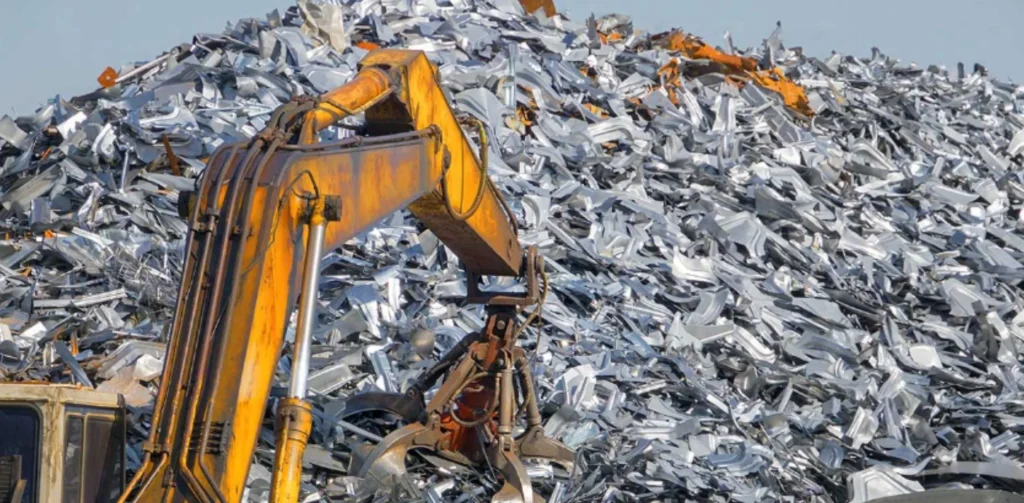
The most profitable division is metal scrap recycling, which processes ferrous (iron, steel) and non-ferrous (copper, aluminium, brass, and zinc) metals. The profit margin varies by 15-30 per cent depending on the type of metal and the market. Copper scrap is worth ₹400-550 per kg, Aluminum is worth ₹120-180 per kg, and brass is worth ₹300-400 per kg.
The industrial units, buildings, automobile service stations, and home institutions have a constant material supply, superseded by consistent demand in foundries and manufacturing establishments.
2. E-Waste Recycling
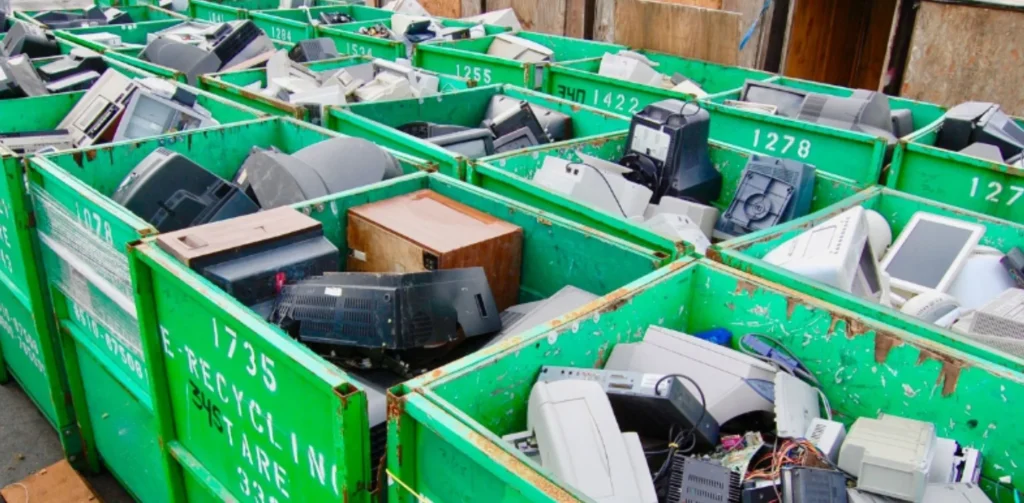
Recycling of electronic waste has become a high-value industry, whereby India currently produces in excess of 3.2 million tons of e-waste in a year. In this segment, the collection of discarded computers, mobile phones, televisions, and other electronic equipment containing precious materials, such as gold, silver, copper, and rare earth elements, shall be carried out.
When e-waste companies have the right permissions and are capable of proper processing, they can achieve margins of 20-40. Government regulations requiring responsible e-waste disposal generate compliance-based demand from corporations and institutions.
3. Plastic Scrap Recycling
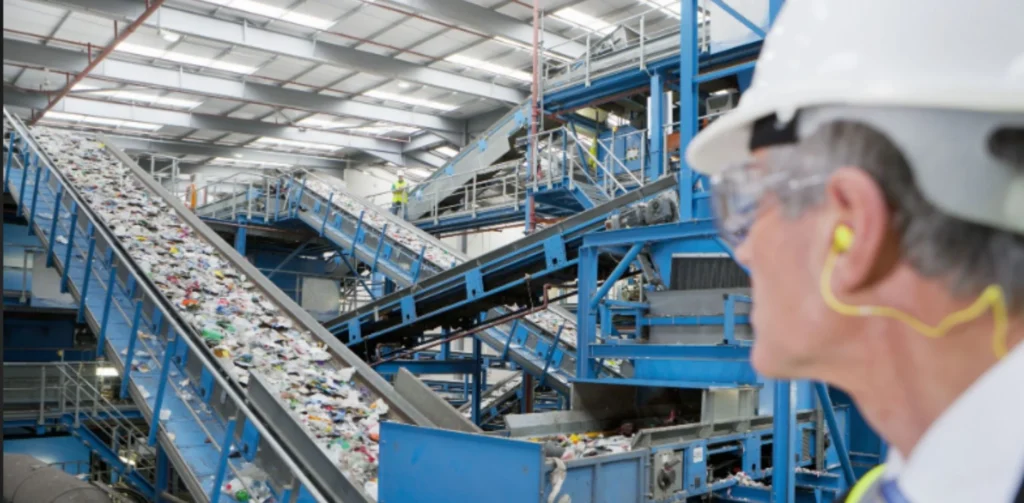
With plastic waste generation of 3.5 million tons per year in India, plastic waste collection and recycling are essential to address this issue. Various grades of plastic (PET, HDPE, PVC, LDPE, PP) have prices ranging from 15 to 45 per kilogram. The company deals with the collection, sorting by type and colour, washing, and selling of materials to recycling firms, which use the waste to produce granules.
As single-use plastics are banned and more people become environmentally conscious, this segment will yield 12-25% margins, and its prospects in the market are expanding.
4. Vehicle Scrap Yard / Automobile Dismantling
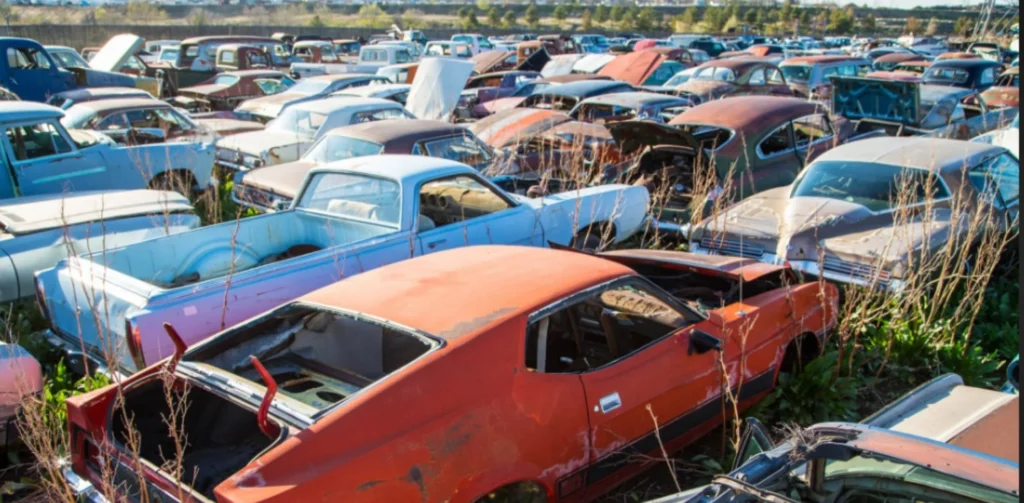
Automobile dismantling is enabled by the vehicle scrapping policy (2021) and the increase in the number of end-of-life vehicles. This is a business that involves buying old cars, dismantling them systematically, and selling the parts and materials individually, such as engines, transmissions, body parts, tyres, batteries, and scrap metal.
A profit of 25-40% is possible, as despite not being fully utilised, functional parts will fetch a very high price when sold as scrap, making other revenue sources based on a single purchase.
5. Paper & Cardboard Collection
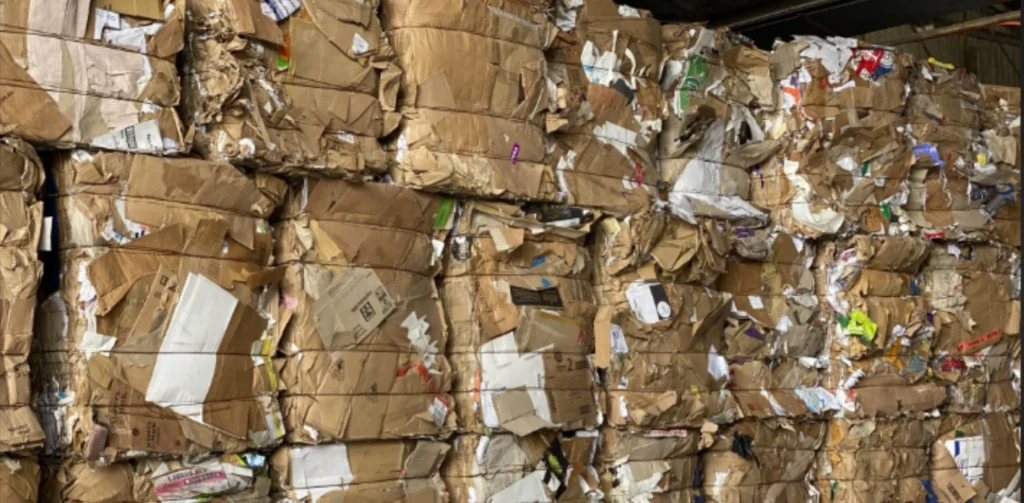
The target of the paper and cardboard scrap collection is in the paper industry of India, where 30-40% recycled fibre is used in manufacturing. The price of old newspapers is 12-18kg, old paperboard is 8-14 kg, and white office paper is 15-22kg. This segment has stable 10-20 per cent margins and numerous supplies to offices, educational institutions, households, and the packaging industry.
It has low entry barriers and low operational costs, making it an ideal start-up for beginners looking to create their first Scrap Business.
6. Battery Scrap Collection & Lead Recovery
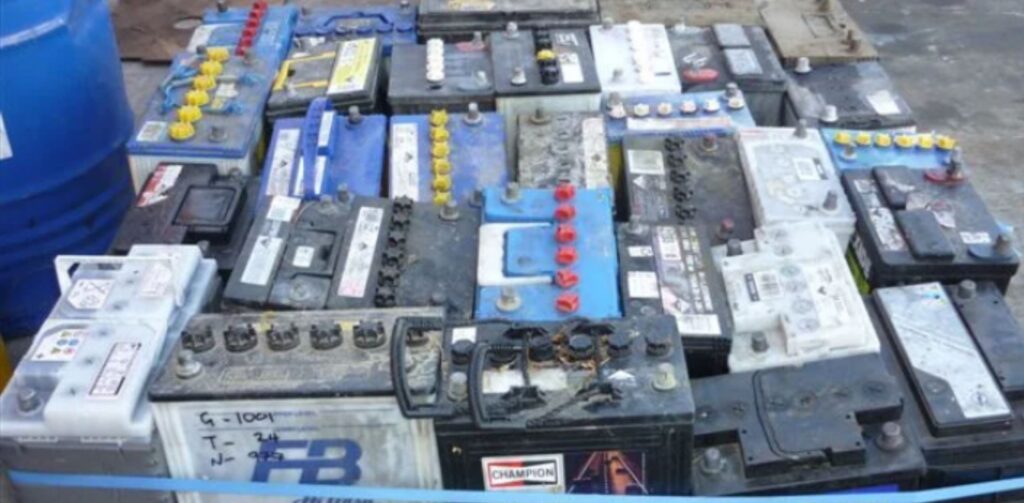
Vehicles and lead-acid battery inverter collection is a niche, high-margin (20-35) segment. Discarded batteries are a good source of lead, which is reused in the production of new batteries. Depending on the condition, battery scrap is priced at 80-130 per kg.
Rigorous environmental laws require proper handling and authorised collection, creating entry barriers that ensure margins for licensed operators. Consistency in demand from battery manufacturing companies ensures stability in offtake at constant prices.
Scrap Business Startup Cost (2026 Estimates)
Basic Cost Breakdown
| Cost Component | Estimated Cost (₹) |
|---|---|
| Shop / Premises Rent (monthly) | 10,000 – 30,000 |
| Weighing Scale | 15,000 – 50,000 |
| Sorting Bins & Containers | 10,000 – 25,000 |
| Tools & Equipment | 5,000 – 15,000 |
| Initial Scrap Purchase (Working Capital) | 1,00,000 – 3,00,000 |
| Licenses & Legal Compliance | 20,000 – 50,000 |
| Transportation (Buy / Rent Vehicle) | 1,00,000 – 3,00,000 |
| Total Initial Investment | 2,50,000 – 8,00,000 |
City Tier Cost Variations
In Tier-1 cities (Mumbai, Delhi, Bangalore), the rental and operational costs of the premises are 40-60 per cent higher, and total initial startup costs rise to 50,000-120,000. There are moderate prices in tier-2 cities (Pune, Jaipur, Lucknow) that need an investment of 3,00,000-8,00,000.
Licensing & Legal Requirements
- Shop & Establishment Registration: Register your business under the state Shop & Establishment Act to legally operate and comply with labour laws.
- GST Registration: Mandatory if annual turnover exceeds ₹40 lakh (goods) or ₹20 lakh (services); enables invoicing and input tax credit.
- Pollution Control Board Approval: Required to collect, store, or process scrap, especially for e-waste and hazardous materials.
- Trade License: Issued by the local municipal authority to legally run a scrap trading business in the area.
- MSME / Udyam Registration: Optional but recommended to access government subsidies, loans, and business benefits.
- Fire & Labour Compliance: A fire safety NOC and labour registrations (EPF, ESI) are required upon hiring employees.
Step-by-Step Guide to Start Your Scrap Business 2026
Market Research and Niche Selection
Begin by studying the availability of scrap materials in your area, the current competition, price trends, and buyer demand. Based on your location, budget, and experience, choose the most profitable niche, such as metal scrap, plastic waste, e-waste, or mixed scrap materials.
Business Plan Development
Create a clear business plan outlining your target customers, scrap sourcing strategy, pricing model, sales channels, estimated costs, expected profits, and a long-term growth roadmap. A solid plan helps in decision-making and securing funding if required.
Secure Premises and Infrastructure
Identify and rent a suitable space of around 500–2000 sq ft for initial operations. The premises should allow vehicle movement, proper ventilation, and segregated storage areas. Equip the site with weighing scales, sorting tools, safety gear, and basic processing equipment.
Obtain Legal Registrations
Complete all mandatory registrations, including business entity formation (proprietorship, partnership, or company), GST registration, trade license, Pollution Control Board approval, and any scrap-specific permits required by local authorities.
Build Supply and Sales Network
Develop strong relationships with scrap suppliers, including households, offices, factories, construction sites, and institutions. At the same time, connect with buyers like recycling plants, manufacturers, and exporters to ensure continuous material flow and stable income.
Start Small and Scale Gradually
Begin with limited inventory and focus on proper sorting, fair pricing, and accurate record-keeping to build trust in the market. Reinvest profits into expanding storage space, adding vehicles, and diversifying into additional scrap categories as the business grows.
Online Scrap Business — How to Start
Digital Platform Development
Develop a professional website or mobile app that allows customers to schedule scrap pickups, check material prices, and track transactions. Alternatively, leverage existing platforms such as Kabadiwalla Connect, Scrapuncle, or GEM to quickly access an established customer base.
Online Marketing and Social Media
Use platforms such as Facebook, Instagram, and Google My Business to promote your services, share recycling awareness content, display transparent pricing, and attract eco-conscious customers seeking convenient digital booking.
Doorstep Scrap Collection Services
Implement a structured pickup system via app or phone bookings, optimised collection routes, digital weighing receipts, and instant online payments to deliver a smooth customer experience.
Transparent Price Display
Show regularly updated scrap prices on your website or app that reflect market trends. Transparent pricing builds trust, reduces negotiation, and positions your business as professional and reliable.
Collaboration with Bulk Scrap Generators
Reach out digitally to corporate offices, IT parks, residential societies, schools, and hotels for bulk scrap pickup contracts. Provide proper documentation, invoicing, and ESG reports to attract organised clients.
Payment and Logistics Integration
Enable digital payments such as UPI and bank transfers, use route-optimisation tools for efficient pickups, maintain cloud-based inventory records, and issue electronic receipts with full transaction history.
Profit & Margin Expectations
| Scrap Type | Average Profit Margin |
|---|---|
| Copper & Brass Scrap | 15–30% |
| Iron & Steel Scrap | 10–15% |
| E-Waste Recycling | 20–40% |
| Plastic Scrap | 12–25% |
| Paper & Cardboard | 10–20% |
| Battery Scrap | 20–35% |
Overall Margin: A diversified scrap business operating across multiple categories typically earns an 18–25% net profit after accounting for transportation, labour, storage, and operational costs.
Monthly Profit Estimates
| Business Scale | Monthly Volume | Investment Range | Estimated Monthly Profit |
|---|---|---|---|
| Small Scale | 2–5 tons | ₹3–5 lakh | ₹25,000 – ₹60,000 |
| Medium Scale | 10–20 tons | ₹10–15 lakh | ₹80,000 – ₹2,00,000 |
| Large Scale | 50+ tons | ₹25 lakh+ | ₹3,00,000 – ₹18,00,000 |
Key Profit Insights
- Profits are lower in the first few months due to setup and market entry.
- Earnings grow steadily with better sourcing, higher volumes, and repeat buyers.
- Processing and segregation facilities significantly improve margins.
- Diversifying into high-value scrap (e-waste, copper, batteries) boosts profitability.
Most Profitable Scrap Materials
- Copper Wire and Components: Pure copper scrap, the most valuable common scrap material, is sold at 450-550 per kg and is sourced from electrical cables, motors, transformers, and air conditioning units, with steady industrial demand from cable manufacturers and foundries.
- Brass and Bronze Items: Brass scrap fetches 300-420/kg and Bronze 350-450/kg, and may be sourced from plumbing fittings, ornamental materials, hardware, and industrial parts, with very good margins, stable prices, and willing purchasers.
- Aluminium Sections and Utensils: priced at 120-180 per kg on a basis of grade and purity. Maker of aircraft-grade and casting-grade aluminium. Prices: Top-grade aluminium. Scrap: Top-grade: Most recycling revenue comes from scrap aluminium window frames, utensils, automobiles, and beverage cans.
- Lead-Acid Batteries: Car and inverter batteries that are used are sold at 80 per kg to 130 per kg with large lead content, ensuring high demand for the product by the recycler, giving the authorised collectors great margins of 25-35 per cent.
- E-Waste Circuit Boards: computer motherboards, PCBs in mobile phones, and other electronic circuit boards, gold, silver, palladium and copper, ₹80-300 per kg depending on the grade, and have to be collected authoritatively, resulting in outstanding margins due to its precious metal recovery operations.
- Stainless Steel Scrap: Stainless steel scrap fetches 120-220 per kg, depending on grade (304, 316, 430), and is sourced from kitchenware, industrial vessels, architectural fittings, and automobiles, yielding better margins than regular steel, which has a more generic buyer market.
Scrap Price Insights
- Regional Price Differences: The prices of scraps vary 10-25% across the regions of India due to the local demand-supply dynamics, the closeness to manufacturing centres, and the costs of transportation, where industrial zones have lower rates, and remote regions have prices at advantageous levels that require strategic location of the sourcing point.
- Market Price Volatility: International commodity markets, especially London Metal Exchange (LME), prices, have daily changes of 1-5 and seasonal changes of 15-30 that demand traders watch the trends and plan their bulk purchases to avoid being caught in the middle between markets and commerce.
- Quality-Based Price Differentiation: Data: Clean segregated copper is 30-40 more expensive to buy than mixed cable scrap and sorted plastics are 25-50 more expensive to obtain than mixed plastic such that quality sorting is essential to profitability.
- Bulk Purchase Advantages: The advantages are 5-10% (bargaining), going to suppliers buying scrap in larger quantities (500kg and above), and 8-15% (realisation), going to the end consumer (selling to the manufacturer), and so scale development is of strategic concern.
- Seasonal Demand Patterns: Construction scrap supply is higher in dry seasons; agricultural machinery scrap is highest in post-harvest seasons; and e-waste volumes are highest in festival seasons and at the end of corporate financial years. This means the entrepreneur has to plan inventory and working capital cyclically.
- Price Tracking aids; Go to sites such as Metal Junction, India Metal Market, and Scrap Monster to have the latest price changes, rate alerts in the mobile phone apps and market newsletters to make high-quality buying-selling choices in the most profitable instances of arbitrage.
Risks, Challenges & How to Mitigate
Price Fluctuation Risk
Scrap prices fluctuate with commodity markets, which can impact margins if inventory is held too long. Reduce risk by maintaining low stock levels (7–15 days), setting minimum margin thresholds, and diversifying across multiple scrap categories.
Quality and Contamination Issues
Poor-quality or contaminated scrap lowers resale value and buyer acceptance. Minimise this risk by inspecting material before purchase, understanding quality standards, using basic testing tools, and working with reliable suppliers who maintain consistent quality.
Working Capital Challenges
Scrap businesses require upfront payments before sales, creating cash flow pressure. Manage this by scaling operations gradually, maintaining 2–3 months of working capital reserves, negotiating supplier credit, and offering invoice-based payment terms to buyers.
Regulatory and Compliance Risks
Environmental regulations, GST compliance, and licensing requirements can complicate operations. These risks can be managed through timely registrations, accurate record-keeping, professional compliance support, and staying up to date on regulatory changes.
Competition from Unorganised Players
Unregistered dealers often operate at lower compliance costs and offer higher purchase prices. Compete by providing professional services such as digital receipts, transparent pricing, reliable pickups, and formal documentation preferred by corporate clients.
Operational and Safety Hazards
Scrap handling involves risks from sharp objects, heavy loads, hazardous materials, and fire. Reduce accidents by enforcing safety procedures, providing protective gear, training workers, maintaining fire safety measures, and securing appropriate insurance coverage.
Conclusion
The business plan for Scrap Business in India in 2026 appears to be an attractive venture, both financially and environmentally. The industry has strong fundamentals, including high demand from manufacturing, supportive government policies, increased waste generation, and widespread acceptance of recycling, which create an enabling environment for new entrants. While matters such as price volatility, working capital management, and regulatory compliance are issues, systematic planning, appropriate licensing, attention to quality, and professional operations will help business starters establish profitable businesses.
This is accessible to investments of all sizes due to relatively low startup barriers, a variety of business models (collection, trading, processing, online platforms), and the possibility of growth and change. As India moves towards a circular economy and becomes more environmentally conscious, the Scrap Business area can not only drive commercial success but also help demonstrate that this business contributes to resource conservation and clean cities, while innovative tools like AI business name generators can help entrepreneurs brand their ventures effectively.
FAQs
Is the scrap business GST-registered?
Goods trading GST registration will be required when your trading turnover is more than 40 lakhs/year. Nevertheless, even below this, voluntary registration is preferable to receive input tax credits and transact with organised buyers, who tend to deal with registered vendors.
What is the most profitable scrap metal material in India?
Copper scrap is the most lucrative, and its price is between 30 and 550 per kg, with a 20-30 per cent margin. The margins of 25-40 per cent on E-waste circuit boards and lead-acid batteries also present a great opportunity for authorised collectors with sufficient processing facilities.
What is the amount of space required to open a scrap business?
Depending on the scale of operations, small businesses may start with 500-1000 square feet of storage and sorting facilities, while medium-scale businesses would have 1500-3000 square feet. Make sure the area is accessible to vehicles, well-ventilated, and compliant with local zoning laws.
Is it possible to start a scrap business at home?
Yes, you may begin with home-based collection and trading operations, but make sure you comply with the residential zoning law. Most entrepreneurs grow by gathering and immediately selling to larger dealers, and as the business grows, they establish dedicated commercial premises.
How much does the scrap business earn per month on average?
Monthly income rates vary by scale: small businesses worldwide earn between 25000 and 60000 annually, medium businesses earn 80000-200000, and large-scale businesses earn more than 300000.