

Marketing teams lose spark when motivation slips. Fresh creative strategies can reset focus and energy fast. Simple changes, from themed days to personalized recognition, keep work exciting and purposeful.
So, read along to uncover practical ways to lift motivation and drive productivity!
Help Each Marketer Take Pride in Small Creative Wins
People work harder when they see a direct link between their ideas and the team’s results. Marketing leaders can build that link by giving each person a distinct piece of creative responsibility.
A designer might test one ad concept, for example. And a copywriter might refine a short headline series.
Each success belongs to someone, not everyone. That sense of ownership drives lasting motivation.
Here are simple ways to make it real:
- Highlight small creative victories during weekly standups.
- Let each marketer share short success stories.
- Track measurable improvements tied to individual effort.
When people own the outcome, they bring stronger energy to every campaign.
Hand Out Customized Gifts That Reflect Genuine Appreciation

Recognition fuels motivation, especially when it feels personal rather than routine.
Marketing work often runs on tight deadlines, and a sincere gesture can reset morale quickly.
Instead of generic rewards, customize unique gifts for employees so each item matches their style and contribution.
Here are just a few thoughtful ideas that bring personality into appreciation:
- Mini plants that brighten workspaces and symbolize growth.
- Desk clocks that honor time and focus.
- Stress relievers for balancing intense creative pushes.
- Bluetooth speakers for a touch of rhythm during long hours.
- Lapel pins that showcase team identity and pride.
Real gratitude turns gifts into lasting reminders of value.
Rebuild Team Rhythm With Short Creative Challenges
Marketing energy can fade when projects drag or ideas stall. Quick, low‑pressure challenges reset that rhythm and remind everyone why they enjoy creating.
So, set up short exercises that test fresh thinking without long approval chains. For example, a ten‑minute slogan sprint or a one‑day ad concept contest can reignite focus and spark laughter. The point is to bring momentum back before fatigue sets in.
Try these formats to keep the pace lively:
- Rapid brainstorming rounds built around random product prompts.
- Visual remix contests using old campaign assets.
- Mini‑pitch sessions where everyone sells a wild idea.
Brief bursts of creativity strengthen teamwork more than endless planning ever could.
Rotate Leadership Roles To Spark Fresh Thinking
Creative teams can thrive when every member gets a turn to lead.
Rotating leadership changes how people see problems and how they value each other’s strengths.
One week, the social strategist might direct the brainstorm. Next, the designer could guide the content review. This rotation keeps authority fluid and curiosity alive, because no one settles into passive routines.
Use these approaches to rotate roles smoothly:
- Announce role shifts in advance to build comfort and clarity.
- Pair new leads with mentors for guidance.
- Review outcomes together to refine each cycle.
Shared leadership grows both creativity and trust!
Use Transparent Metrics To Inspire Friendly Competition
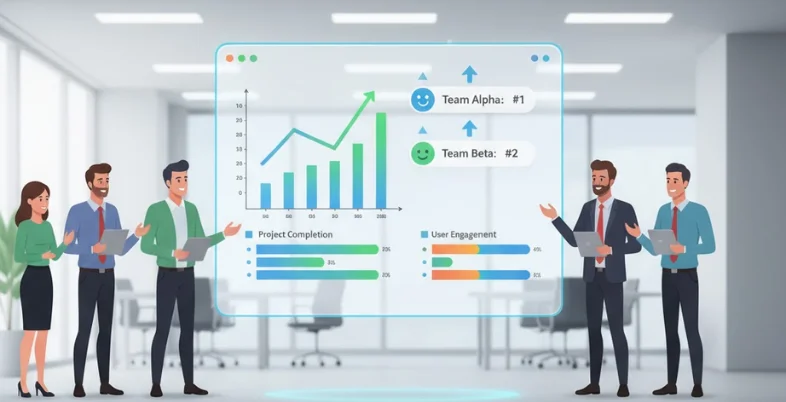
Numbers can motivate without creating pressure when they’re visible and fair.
Marketing teams respond well to shared dashboards that track progress in real time.
Transparency turns analytics into a game instead of a stress point.
When people see clear performance trends, they compete to improve results while supporting one another. It’s like tracking laps in a relay, where every runner’s pace helps the team finish stronger.
To make metrics feel engaging instead of intimidating:
- Display campaign data on a shared screen or internal board.
- Celebrate top improvements, not just top performers.
- Rotate metric goals so everyone gets a chance to excel.
Open data turns measurement into momentum.
Build Energy Through Unexpected Theme Days
Routine can dull creativity faster than tight deadlines. A simple theme day can reset the tone and give marketing teams a playful outlet.
Themes don’t need to be elaborate. A “Retro Ad Revival” day might have everyone redesign classic campaigns. A “Color Splash” day could focus on using one bold hue across every channel.
These breaks spark imagination and laughter, which both recharge energy and deepen collaboration.
Here are easy ways to bring themes to life:
- Announce surprise themes to keep anticipation high.
- Tie rewards or small shout‑outs to participation.
- Share photos or short clips of the day’s creations.
Lighthearted structure refreshes focus and builds unity.
Hold Quick Idea Jams To Unblock Stalled Campaigns
Creative block slows even the best marketing teams. Short, focused idea jams can break through that wall and reignite progress. Keep them spontaneous and time‑boxed, around fifteen minutes, so pressure stays low and energy high.
These sessions will remind the team that progress starts with motion, not perfection.
Try structuring idea jams like this:
- Use one campaign problem as the single focus.
- Limit each person’s idea to a short sentence or sketch.
- Vote quickly, then choose one idea to test the same day.
Speed fuels clarity and confidence in creative work.
Turn Campaign Post‑Mortems Into Storytelling Sessions

After a campaign ends, teams often rush to the next task without reflecting on what worked. Turning those reviews into storytelling sessions keeps learning lively and memorable.
Instead of dry data breakdowns, invite each contributor to share a short story about a key moment, a surprise win, or a mistake that led to growth.
This transforms reflection into connection.
Use these tactics to shape storytelling sessions:
- Encourage visuals, short clips, or campaign snapshots.
- Focus on personal insights rather than metrics.
- End with one shared takeaway for future projects.
Stories keep lessons alive far longer than reports.
Introduce Peer Recognition Walls For Daily Wins
Recognition feels stronger when it comes from teammates, not only managers.
A peer recognition wall gives marketing teams a space to celebrate daily wins in real time.
It can be a physical board in the office or a digital feed pinned in chat.
When people publicly acknowledge one another, morale rises and collaboration tightens. It’s like applause after a great performance: short but deeply energizing.
Here’s how to build a wall that people actually use:
- Keep submissions short and spontaneous.
- Feature both creative breakthroughs and small consistent efforts.
- Refresh highlights weekly to keep interest alive.
Peer praise builds lasting culture faster than top‑down rewards ever could.
Design Workspaces That Visibly Reflect Creative Energy
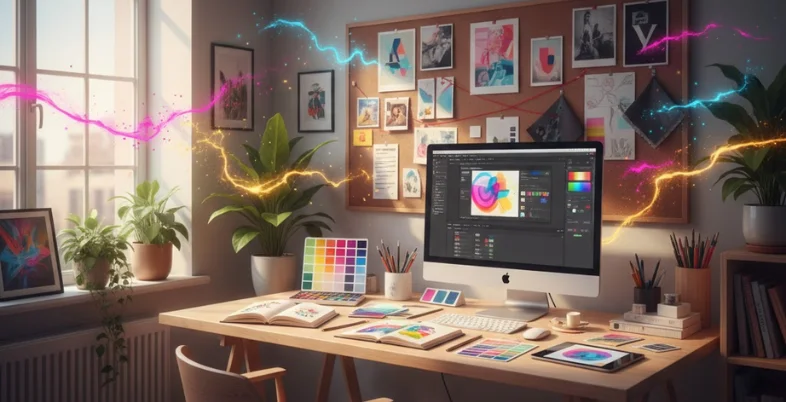
Lastly, a team’s environment shapes its mindset. Marketing work needs spaces that invite movement, conversation, and quick bursts of inspiration. Even small design changes can lift mood and focus.
Think bright zones for brainstorming, quiet corners for copywriting, and open areas for testing visuals together. When people see creativity around them, they feel part of something dynamic.
Consider these practical updates to spark that feeling:
- Add color accents that mirror brand identity.
- Bring in natural light and a few green plants.
- Display rotating samples of campaign work.
A creative setting reminds everyone what imagination looks like in motion!
Final Thoughts
Motivation grows when creativity feels personal, visible, and celebrated. Each strategy builds a workplace where energy stays high and progress feels shared.
Marketing thrives on imagination, and imagination thrives on care.
Keep ideas flowing, keep appreciation genuine, and treat every win as fuel for the next.
Productivity follows naturally when teams feel inspired together.
