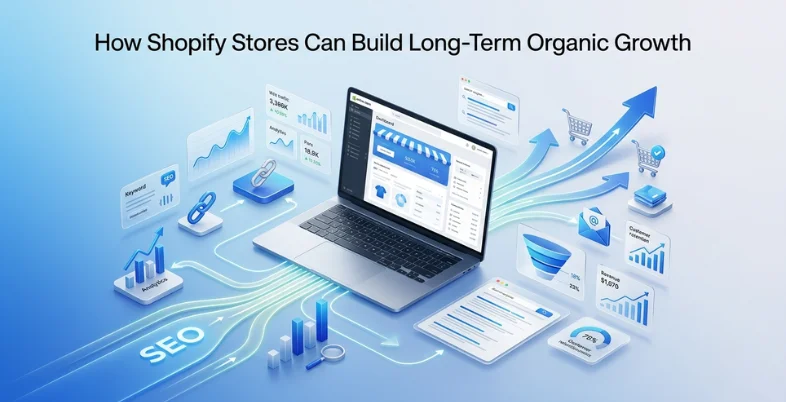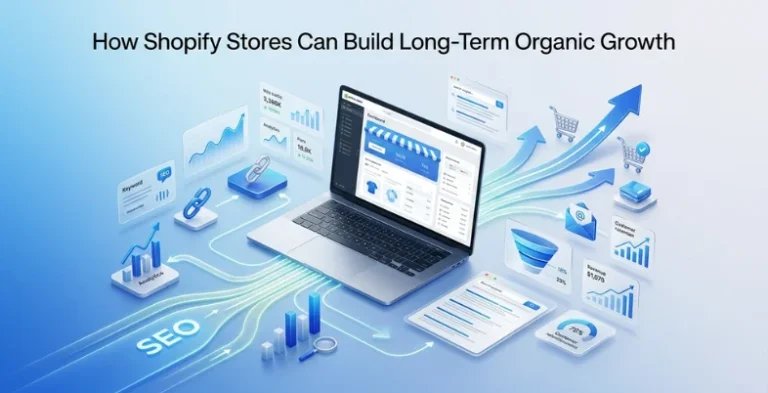
In today’s crowded e-commerce market, launching a Shopify store with great products still isn’t enough. The harder (and more rewarding) part is bringing in the right visitors-people who are ready to buy and who can become steady, long-term revenue. So how can Shopify stores build long-lasting organic growth?
There’s no single trick. It takes a well-built plan that focuses on strong SEO basics, helpful content, and a clear view of how customers behave, instead of short trends or endless ad spending. The goal is to build a lasting presence that attracts shoppers with clear intent, grows trust in your brand, and turns casual visitors into repeat customers.
Moving from traffic to sales takes patience, planning, and regular updates so your store can keep growing year after year. For more help improving your visibility, check out the essentials of Shopify organic growth and what it takes to stand out.
What Drives Long-Term Organic Growth for Shopify Stores?

Long-term organic growth comes from treating traffic as part of a bigger system, not as a goal by itself. The aim is to bring in visitors who actually want what you sell, instead of trying to attract everyone. In 2026, the focus is much more on traffic quality and stability, so each visit has a real chance to turn into revenue.
How Does Organic Traffic Lead to Sustainable Sales?
Organic traffic, mostly from search engines like Google, is one of the strongest sources of steady e-commerce sales. People who search often have a clear need. When someone types a query into Google, they’re showing intent. If your store has the product or answer they’re looking for, you attract shoppers who are already close to buying. This often leads to better conversion rates because these visitors are further along in the buying process. Strong stores don’t chase big traffic numbers just for the sake of it-they focus on high-intent shoppers and guide them from discovery to purchase. The target is profit, not vanity stats like sessions that don’t lead to sales.
Organic traffic also builds over time. When your product pages, collection pages, or blog posts start ranking, they can keep sending visitors without ongoing ad payments. This lowers your customer acquisition costs over time and makes your business less dependent on ad budgets, rising ad prices, or sudden platform changes. You’re building a long-term asset that keeps paying off.
Core Differences Between Organic and Paid Traffic
Shopify store owners need to know how organic and paid traffic differ.
| Traffic type | Main focus | Speed | What happens if you stop |
| Organic (SEO + content) | Long-term visibility and trust | Slower to build | Traffic can keep coming |
| Paid (Google/Meta ads) | Fast, targeted clicks and sales | Immediate | Traffic stops right away |
SEO is a long game. It takes steady work, but once it starts working, it can deliver “free” traffic for a long time and also build authority. Paid ads are great for quick sales, quick testing, and instant reach, but they are pay-to-play. The strongest brands use both: organic for stability and paid for speed and testing.
Why Prioritize Organic Growth Over Short-Term Wins?
Focusing on organic growth doesn’t mean ignoring short-term sales. It means building a business that can handle change. Paid ads can bring traffic today, but SEO can bring qualified shoppers month after month without paying for every click. Depending only on paid ads is like renting your audience-your sales depend on your budget. If ad costs rise or results drop, sales can fall fast. Organic growth builds real trust. When people keep seeing your store show up in search results, your credibility grows naturally.
Organic growth also reduces pressure on your ad budget, giving you more room to invest in things like new products or better customer service. A strong SEO base helps your store attract buyers on its own, so you can reduce expensive ad spend over time while organic revenue grows. Since ad costs and algorithms can change quickly, having multiple traffic sources-with organic as the base-gives your store more stability than short-term wins alone.
Foundations for Organic Success: Getting Your Shopify Store Ready
Before you jump into advanced SEO work, your Shopify store needs a strong base. In 2026, user experience (UX) and technical performance aren’t optional. Google rewards stores that feel fast, easy, and smooth to use, especially with its stronger focus on AI Overviews and user satisfaction.
Mobile-First Design and User Experience Principles
Mobile-first is now the default. Around 79% of Shopify traffic comes from mobile, and about 69% of purchases happen on mobile too. That makes mobile optimization a must. Mobile-first design means building the best experience for small screens first, then scaling up to desktop. It’s more than using a responsive theme-you need to think about touch and speed.
Good mobile-first UX includes:
- Easy tap targets (buttons and links should be large enough-around 44×44 pixels)
- Simple menus (like hamburger menus to save space)
- Thumb-friendly layouts (key actions like “Add to Cart” should be easy to reach)
- Faster checkout (fewer fields, autofill where possible)
A fast, smooth mobile experience lowers bounce rates, helps rankings, and improves sales and trust.
Optimizing Navigation and Site Structure
Your navigation is the map of your store. If it’s confusing, shoppers leave. Strong Shopify stores in 2026 often use a flat site structure so customers can reach products in three clicks or less. This also helps search engines crawl and index the site more easily. A clear structure like “Home > Collections > Products” helps avoid burying products too deep.
Helpful navigation ideas include:
- Breadcrumbs so customers know where they are
- Predictive search with instant suggestions
- Clear category names (avoid internal jargon)
- Sticky header with quick cart access
When shoppers don’t have to think about how to move around, they’re more likely to buy.
Accessibility and Inclusive Shopping Environments
Accessibility matters more every year, and in 2026 it’s a major factor for Shopify success. An inclusive store works for everyone, including people with disabilities. This includes adding alt text to images, using readable color contrast, and making the site usable with a keyboard.
Accessibility also supports WCAG guidelines, which search engines increasingly treat as a quality signal. It can help your SEO and reduce legal risk. More than anything, it helps customers feel welcome and safe, which builds trust with both shoppers and search systems.
Building Authority with Shopify SEO Best Practices
SEO is the base of long-term organic growth. It helps your Shopify store attract qualified shoppers again and again. In 2026, good SEO is about matching real customer intent with helpful content and a clean technical setup. It’s ongoing work that builds trust and positions your brand as a reliable option.
Choosing Effective Keywords for Ecommerce

SEO starts with understanding how customers search. What do they type when they’re ready to buy? The biggest wins often come from long-tail keywords that show clear intent. For example:
- Broad: “running shoes” (very competitive, unclear intent)
- Specific: “best trail running shoes for flat feet” (lower competition, high buying intent)
By targeting specific phrases, you attract shoppers who know what they want and are easier to convert. Tools like Ahrefs, Google Keyword Planner, or Semrush can help you find the phrases people actually search for. This keyword work supports everything else you do in SEO.
Optimizing Product Pages, Collections, and Internal Links
Product and collection pages are where SEO turns into sales, so they need careful work. Product URLs should be short and include your main keyword (example: /products/womens-trail-running-shoes). Your page title should be clear and useful, such as “Women’s Trail Running Shoes for Flat Feet | Brand Name.” Meta descriptions don’t directly change rankings, but a strong one can raise click-through rates.
Product descriptions should be unique and useful, often around 400+ words, with keywords included naturally. Focus on benefits as well as features, and make the text easy to scan with bullet points. Image alt text supports accessibility and helps search engines understand images, so describe images clearly and use good file names (example: womens-trail-shoe-side-view.jpg).
Collection pages also benefit from 150-200 words of helpful copy above or below the product grid. And internal linking matters: link blog posts to relevant product and collection pages so search engines can crawl your site better and customers can move from learning to buying.
Using Schema Markup and Technical SEO for Better Visibility
Technical SEO is the hidden support system behind organic performance. It helps search engines crawl, index, and understand your store. One major piece for e-commerce is Schema Markup (structured data). It helps Google understand details like price, stock status, and ratings, which can lead to rich results in search and more clicks.
Other key technical areas include:
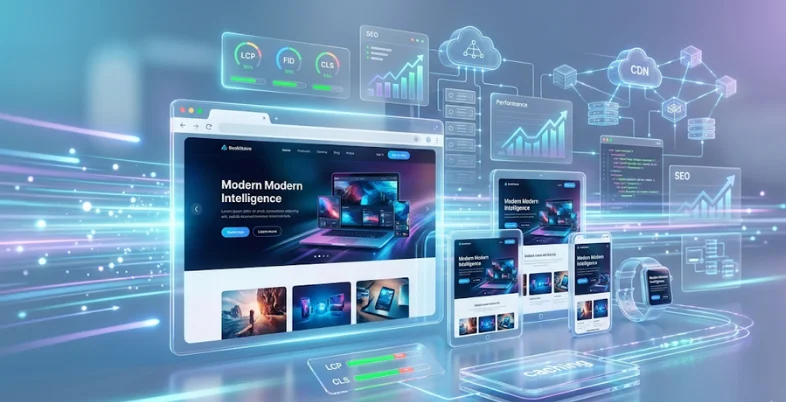
- Site speed (Core Web Vitals like LCP, FID, CLS affect rankings)
- Image compression using WebP or AVIF
- App cleanup (heavy apps often slow Shopify stores)
- Sitemaps submitted in Google Search Console
- Canonical tags to avoid duplicate URLs for the same product
- 301 redirects for removed or changed pages to avoid 404 errors
Tracking SEO Progress with Shopify and Google Analytics
Organic growth takes time, so tracking matters. Shopify reports help you see sales, best sellers, and traffic sources, but to understand user behavior and SEO impact, you also need Google Analytics. It shows how people arrive, what they do, and where they drop off.
Google Search Console is also key. It shows what queries you rank for, how pages are indexed, and whether crawl errors are blocking visibility. Tracking metrics like organic traffic growth, keyword rankings, bounce rate, and conversion rate for organic visitors helps you adjust your plan and keep moving in the right direction.
Content Strategies: Turning Store Visitors into Loyal Buyers
Content marketing gives your brand a voice. It helps you educate, guide, and earn trust-far beyond simple product listings. Strong content brings people in, builds loyalty, and turns buyers into advocates. In 2026, having a clear content system is a major part of growth.
Crafting a Content Ecosystem Around Your Products

Successful Shopify stores don’t only sell products-they also help customers. A content ecosystem means creating different types of content that connect back to what you sell, such as blog posts, how-to articles, buying guides, videos, and simple visuals. A blog is a strong traffic driver because it can rank for many searches that product pages can’t target.
When content solves problems, people start to trust you. That trust makes it easier for them to buy later. Helpful content can also earn backlinks from other sites, which signals to Google that your store is a trusted source.
Leveraging Blogs, Guides, and How-To Content
Blogs and guides bring in qualified traffic and help visitors move closer to buying. For example, if you sell premium coffee beans, you could publish:
- “How to Make the Perfect French Press Coffee” (how-to)
- “The Ultimate Guide to Choosing Whole Bean Coffee” (buying guide)
- “Arabica vs. Robusta Beans: What’s the Difference?” (comparison)
Each piece attracts people at a different stage: learning, researching, or comparing. Content can also help you build an email list so you can stay in touch over time. The more consistently you publish useful content, the more your SEO and brand trust can grow.
Integrating Social Proof: Reviews and User-Generated Content
Social proof matters a lot online. A Stackla study found that 79% of people say user-generated content (UGC) strongly affects what they buy. When customers share real photos or videos using your product, it often feels more believable than ads. Adding reviews, star ratings, and “verified buyer” labels to product pages builds trust quickly.
Many strong Shopify stores use widgets that show fresh reviews directly on product pages. You can also encourage UGC with hashtags, small contests, or simple post-delivery review requests. Handling negative feedback in a clear and respectful way can also improve how people see your customer service. This steady stream of social proof reduces doubt and helps visitors feel ready to buy.
Proven Channels for Sustainable Shopify Store Growth
Organic search and on-site content are the base, but a stable growth plan often uses more than one channel. Strong brands mix organic and paid traffic in a smart way so they can get short-term sales while building long-term growth.
Leveraging Social Media and Influencer Partnerships
Social media has become a real sales channel, not just a place to browse. The goal is not to post everywhere, but to focus on the platforms where your customers spend time.
- Instagram / Pinterest: strong for visual brands
- TikTok: strong for real, creative demos and younger audiences
- Facebook: strong for communities (Groups)
- YouTube: strong for product demos and education
Consistency matters, so a content calendar helps. Influencer marketing can also speed up growth. Working with creators your audience already trusts helps you reach ready-made communities. In 2026, micro-influencers often perform better than celebrity promotions because they feel more real. These partnerships bring traffic and social proof at the same time.
Email Marketing and SMS for Retention and Conversion

Email and SMS are still some of the most reliable ways to reach customers, even while algorithms keep changing. Keeping customers is cheaper than constantly finding new ones, so these channels matter for increasing Customer Lifetime Value (CLV).
Common automated flows include:
- Welcome series with your brand story and a first-order offer
- Abandoned cart messages that bring shoppers back
- Post-purchase follow-ups with updates, tracking, and product tips
In 2026, personalization is a big part of this-using segmentation so messages match what people viewed or bought. SMS works well for urgent updates, but it should always give value, not just push sales. Subscription models for consumable products and loyalty programs (points for purchases, referrals, or sharing) also help build repeat buying and stable revenue.
Using Paid Traffic Strategically to Boost Organic Momentum
Organic growth brings stability, while paid ads bring speed and fast testing. The goal is to use paid traffic with a plan and connect it back to your organic work. Paid ads can bring targeted clicks quickly on Google and Meta. They also give fast feedback, which helps you test products, messaging, and audiences.
Track Return On Ad Spend (ROAS) so you don’t grow sales while losing profit. Google Ads (Shopping and Search) work well for high-intent shoppers who are actively searching. Meta Ads (Facebook and Instagram) work well for creating demand, finding new audiences, and retargeting with dynamic product ads.
Paid data can also support SEO. If ads show certain product angles or messages convert well, you can use that insight in product copy and content. You can also promote blog posts or collection pages that already perform well organically to speed up results — building that kind of feedback loop between paid and organic is easier with a specialist partner like NON.agency, which focuses on data-driven SEO strategies for e-commerce.
Converting Traffic: Maximizing Sales from Organic Visitors
Traffic alone doesn’t pay the bills. The average cart abandonment rate is around 70%, which shows how often people leave before checkout. To get more sales from organic visitors, you need a strong focus on conversion rate optimization (CRO) so attention turns into revenue.
Building Trust with Transparent Policies and Fast Shipping
Trust is a major factor in Shopify conversions. Shoppers need to feel safe before they buy. Unexpected costs are a common reason for cart abandonment, so show total costs early (tax and shipping), and clearly highlight free shipping thresholds.
Return policies should be easy to find, ideally close to the “Add to Cart” button. Also show estimated delivery dates on product pages, not only at checkout. Speed and stability matter too-slow sites lose sales. Core Web Vitals measure how fast and smooth your store feels, and they also affect SEO. A fast, stable, secure store builds confidence and brings people back.
Increasing Conversions with Urgency and Scarcity Tactics
Urgency works best when it feels real, not like pressure for the sake of it. Scarcity can be based on limited stock (“Only 5 left”) or time (“Sale ends tonight”). FOMO can be boosted with signals like “15 people bought this today,” especially when reviews are visible.
Many modern systems use personalized, automated offers instead of generic countdown timers. This approach can also protect margins. Instead of giving site-wide discounts, you can use limited offers only where they help most, raising conversions without cutting profit across the whole store.
Personalized Recommendations with AI and Automation
In 2026, stores that understand customer needs faster have an advantage. AI and automation help Shopify stores offer personal experiences at scale. Basic “best seller” lists often aren’t enough anymore. AI recommendations can use browsing behavior, past purchases, and other signals to suggest products that actually match the shopper.
Features like “Frequently Bought Together” can raise average order value and make shopping easier. AI chatbots can also handle common questions (tracking, refunds, product info) all day and night, which reduces frustration and improves satisfaction. Personalization also applies to emails and even homepage content based on behavior or location, helping visitors feel understood and supported.
Key Takeaways for Building Long-Term Organic Growth on Shopify
Long-term organic growth on Shopify comes from building a healthy system, not chasing quick fixes. In 2026’s competitive e-commerce market-shaped by smarter platforms and AI-driven expectations-stores win by taking a full approach that can adapt over time. Your Shopify store isn’t a static brochure; it needs ongoing work and regular improvements.
Every part of the experience matters: mobile usability, site speed, clear navigation, and content that feels real and helpful all support trust and authority. Keep an eye on future shifts like voice shopping and AR, and be ready to test new tools when they fit your brand. Use data to guide your choices. Stores that grow for years are the ones that build a connected system where strong SEO, useful content, smart paid support, and retention efforts all reinforce each other-creating stability and a growing base of loyal customers.