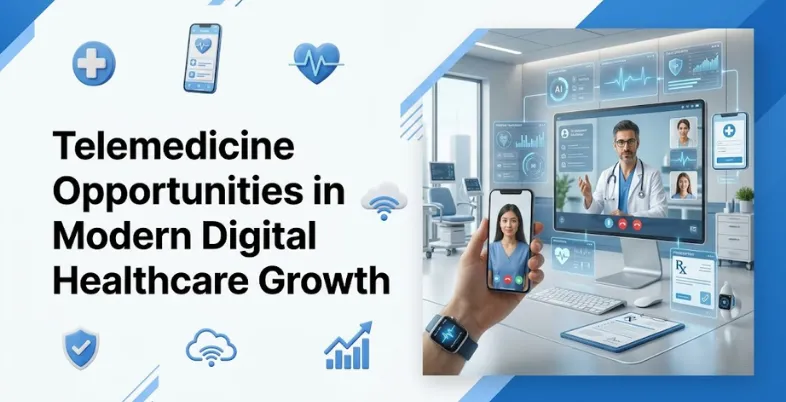
Healthcare industry is changing quickly and patients expect the same convenience from healthcare that they get from banking, shopping, and other online services. They want quick access to care, appointment options, and transparent pricing. That is why telemedicine has become a core part of modern telehealth services.
The growth of digital healthcare has led to telemedicine opportunities for patients, providers, employers, and healthcare organizations. It includes routine consultations and chronic disease management to mental health support and prescription services. Moreover, virtual care is bridging gaps in access while making healthcare more efficient.
For patients, the benefits include getting the care you need from the comfort of home. Avoid lengthy waits, and connect with an online telehealth provider when it is convenient. Telemedicine has brought in news ways to improve patient outcomes, expand reach, and reduce operational costs.
Why Telemedicine Continues to Grow
Telemedicine adoption grew drastically during the COVID-19 pandemic and has continued to grow since then. Telehealth technologies can lead to healthcare access, improve health outcomes, and reduce barriers for underserved populations.
Several factors are leading this growth:
- Increased consumer demand for convenience
- Improved internet connectivity and mobile technology
- Greater acceptance of virtual care among patients and providers
- Rising healthcare costs
- Ongoing physician shortages in many regions
- Growing demand for mental health services
- Expansion of remote patient monitoring programs
The outcomes is that the healthcare landscape where digital care is becoming a standard option.
Understanding the Different Telemedicine Types

One of the biggest drivers of digital healthcare growth is the number telemedicine types that are available today. Different forms of telemedicine deals with wide range of patient needs.
Real-Time Virtual Visits
Patients connect directly with a licensed provider. It could be through video or phone consultations. These visits are commonly used for:
- Minor illnesses
- Follow-up appointments
- Prescription management
- Skin conditions
- Allergies
- Urgent care concerns
Remote Patient Monitoring
Remote patient monitoring helps healthcare providers to track patient health data using connected devices. Devices like blood pressure monitors, glucose monitors, heart rate trackers, and wearable devices can send information to healthcare teams.
This approach is particularly valuable for patients managing:
- Diabetes
- Hypertension
- Heart disease
- Respiratory conditions
Remote monitoring has become an important component of modern telehealth programs. It helps providers deliver proactive care and intervene before the issue happens.
Store-and-Forward Telemedicine
This method helps patients and providers to securely share medical information, images, and records without a live consultation.
Common examples include:
- Dermatology reviews
- Radiology assessments
- Specialist consultations
- Laboratory result evaluations
Providers can review information and respond when appropriate, creating greater flexibility for patients.
Telemedicine System Requirements for Successful Care Delivery
Healthcare organizations must ensure they have the right technology infrastructure in place. Effective telemedicine system requirements is much more than offering video calls.
A successful telemedicine platform includes:
Secure Communication Technology
Patient privacy remains important. Telemedicine platforms must have secure, encrypted communication systems that comply with healthcare privacy regulations.
Reliable Internet Connectivity
Both patients and providers need stable internet connections to provide high-quality video consultations and data transmission.
Electronic Health Record Integration
Providers benefit when telemedicine platforms have set patient records. This helps clinicians to review medical histories, document visits, and coordinate care more efficiently.
Mobile Accessibility
Many patients depend on smartphones so mobile-friendly platforms help expand access and improve the overall patient experience.
Prescription Management
Efficient systems help licensed providers to evaluate patients and send prescriptions electronically to local pharmacies.
At 24HrDOC, the aim is to remove unnecessary complexity from healthcare. Patients can get a quick assessment. Also, have their information reviewed by a licensed provider.
Emerging Telemedicine Opportunities Across Healthcare
As digital healthcare grows, new telemedicine opportunities continue to come up with multiple specialties.
Mental Health Services
Mental healthcare has become one of the fastest-growing areas of telemedicine. Virtual care allows patients to access support privately.
Rural Healthcare Access
Many rural communities still have physician shortages and long travel times for medical appointments. Telemedicine helps connect patients with licensed providers regardless of location.
Chronic Disease Management
Patients with long-term health conditions often require frequent follow-up visits. Virtual care makes it easier to monitor symptoms, adjust treatment plans, and maintain regular communication with providers.
Employer Healthcare Programs
Many employers are adding telehealth into employee healthcare benefits. It is beneficial for them because virtual care can reduce absenteeism, improve access to treatment, and help employees receive care more quickly.
Preventive Healthcare
Telemedicine is increasingly being used for preventive services. Such as wellness consultations, health coaching, and routine screenings. Earlier intervention leads to better outcomes and lower healthcare costs.
How 24HrDOC Supports Modern Healthcare Access
Patient expectations continue to change and healthcare providers must focus on accessibility, convenience, and affordability.
24HrDOC was created around these priorities.
Patients can access 24/7 telehealth services without standing in long queues. Instead of rearranging schedules or spending hours in waiting rooms, patients can start the process in a few minutes:
The process includes:
Step 1: A Quick Assessment
Patients answer guided questions about their health reasons. Then the person can complete this step in a few minutes.
Step 2: Get Reviewed by a Licensed Provider
A qualified provider reviews the information and then decides the care plan.
Step 3: Prescription Sent for Pickup
When medically appropriate, prescriptions are sent electronically to the patient’s preferred pharmacy.
For patients looking for an experienced online healthcare provider, this streamlined approach removes many of the barriers that often delay treatment.
Suggested Read:
The Future of Telemedicine
The future of telemedicine is going to much more than video appointments. Advances in artificial intelligence, wearable health devices, remote monitoring tools, and integrated digital health platforms are creating new opportunities to deliver personalized care.
Industry analysts continue to project strong growth across the telemedicine market. Healthcare organizations invest in digital infrastructure and patients have virtual care options.
While in-person healthcare will always play a key role, however, telemedicine is becoming a permanent part of the healthcare ecosystem. Patients want faster access, greater convenience, and more control over how they receive care.
For providers and healthcare organizations, the goal is to deliver high-quality care where patients are, when they need it.