Are you sick and tired of feeling like you are being watched every time you enter a search query online? Well, you are not alone. Google is responsible for handling over 8.5 billion search queries every single day and uses a lot of this information to build advertising profiles on its users. In fact, a recent survey concerning a conservative search engine found that over 75% of the internet users believe that mainstream search engines are collecting too much information on individuals. You may have experienced a situation where you have searched for a product online and then seen that same product appear on every platform you use, and this is no coincidence. This is actually search engine tracking at work.
The best part is that alternative search engines are becoming increasingly popular. As of 2026, the global search engine market for privacy-focused search engines is growing steadily, and search engines such as DuckDuckGo are responsible for handling close to 3 billion search queries every single month. Exploring alternative browsers to Chrome can further enhance privacy and give users more control over their online experience. People are realizing that they don’t have to give up all their information just to search for something online.
In this guide, we are going to discuss the best conservative search engine available for use in 2026, why these search engines are different, and why one may be better than the rest for your use.
What Is a Conservative Search Engine?
A conservative search engine is a search engine that values the privacy and security of its users, does not track its users, and still offers a high-quality search experience without building a profile on its users. Unlike Google or Bing, a conservative engine does not track your search history, does not use tracking cookies, and does not sell your information to any advertising firm.
As of 2026, research has revealed that nearly 1 out of 4 self-proclaimed conservative users believe that the overall results provided by mainstream search engines are, in fact, suppressing content related to conservative values. Regardless of whether your reasons for changing search engines are political in nature or based on your desire for data privacy, there are currently over a dozen legitimate options to choose from, and many users enhance their experience further with tools like vpns to maintain anonymity and access content freely
The most common features among these search engines are a lack of profiling, encrypted connections, and unfiltered results.
Conservative vs Unbiased Search Engines
It is important to understand the difference between a conservative search engine and an unbiased search engine, as they are two different concepts.
While a conservative search engine, from a political standpoint, seeks to promote and display content based on conservative values, an unbiased search engine seeks to display raw results without any political filtering.
While many of the search engines reviewed throughout this article fit into the latter category, they are, in fact, based on data privacy and not conservative values. However, approximately 35% of adults surveyed in the US cite “no personal data collection” as their top reason for switching from Google, a figure that demonstrates how these search engines can be appealing to a large audience regardless of political alignment. Using secure browsing tools alongside these privacy-focused search engines further enhances online safety and ensures your personal data remains protected.
As of 2026, the difference between a search engine based on data privacy and a conservative search engine has become blurred, and therefore they are often grouped together under one category.
List of Conservative Search Engines (Top Picks 2026)
1. Brave Search
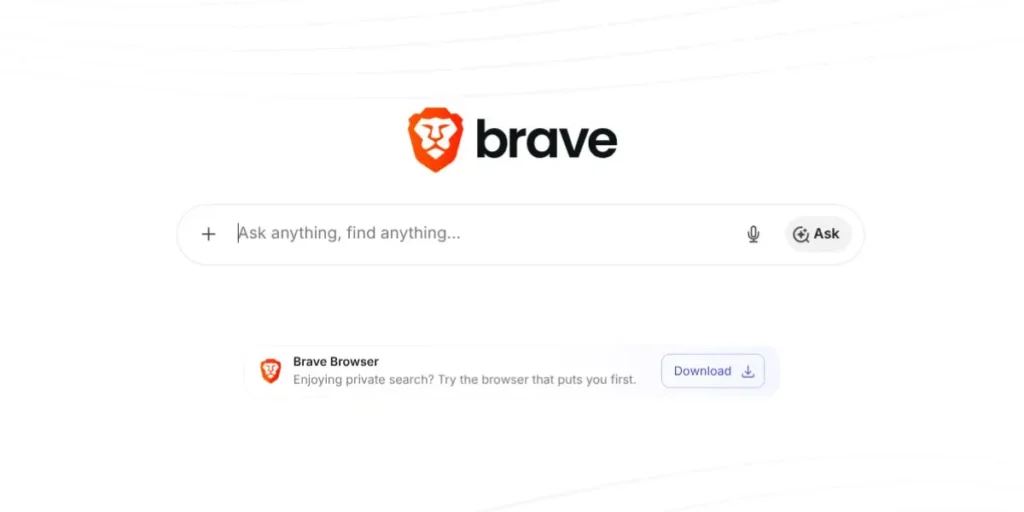
Brave Search has been one of the most talked-about privacy tools of the past decade. Created by Brave Software, this search engine was released in 2021 and has been one of the only search engines that uses its own independent index, rather than relying on Google or Bing to pull results. As a result, it remains completely free from Big Tech’s grasp.
With more than 65 million monthly active users on the entire Brave platform, Brave Search has emerged as a legitimate alternative to Google, especially considering that users remain completely anonymous. It does not profile users, does not store personal data, and has trackers turned off by default. As a conservative search engine, users will be happy to know that users can customize their settings directly in the interface.
Key Services:
- Independent search index
- Built-in ad and tracker blocking
- Encrypted search queries
- Customizable privacy settings
- No user profiling
Best For: Privacy enthusiasts
https://search.brave.com/?lang=en-in
2. DuckDuckGo
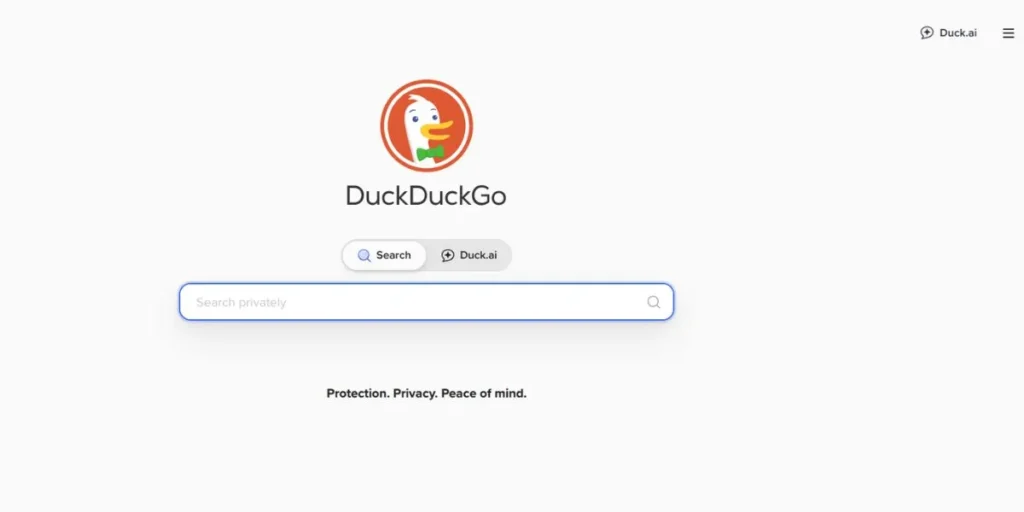
DuckDuckGo is perhaps the most popular conservative search engine in the world. Created in 2008 by Gabriel Weinberg, DuckDuckGo has built a reputation around one promise: no tracking, ever. It does not store your search history, does not create advertising profiles, and does not connect your searches to you in any way.
As of 2026, DuckDuckGo has processed close to 3 billion searches per month and has a 1.84% share of the search engine market in the United States. It has also become the 2nd most popular mobile search engine in the United States. It aggregates results from hundreds of sources, keeping things balanced and relevant, rather than relying on Google’s filter bubble.
Key Services:
- Zero personal data tracking
- Privacy grading for websites
- Instant answers from 400+ sources
- “Bangs” shortcut feature
- HTTPS encryption by default
Best For: Everyday private browsing
https://duckduckgo.com
3. Startpage
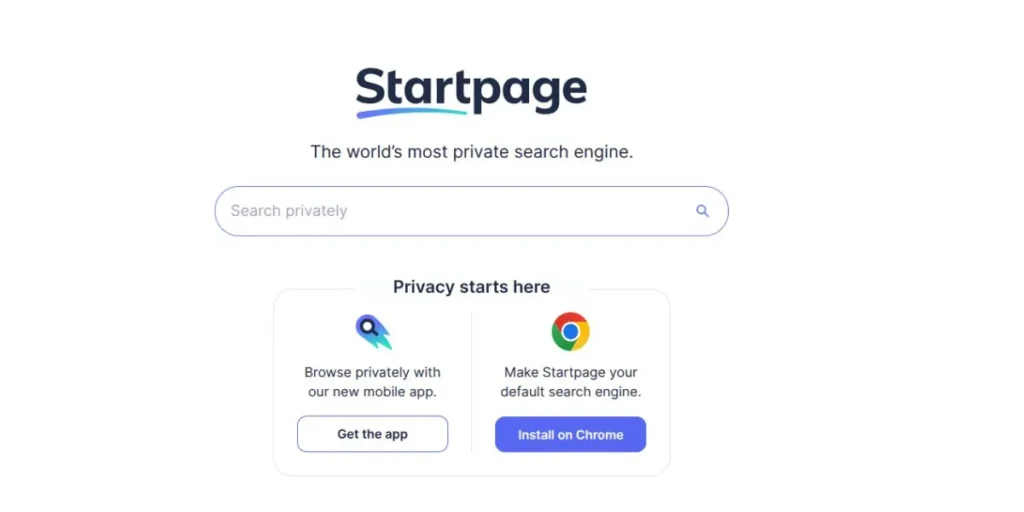
Startpage is a private search engine located in a special place in the world of private search engines. It provides the same powerful search results as Google but eliminates all the tracking and data collection normally associated with using the service. It is located in the Netherlands and thus operates under the extremely stringent EU privacy laws.
It is the anonymous intermediary between you and Google: your IP address is never passed on and a personal profile is never created. If you are looking for the quality of Google results without the quality of Google’s surveillance model, then Startpage is definitely a good choice among conservative search engines.
Key Services:
- Google results with zero tracking
- Anonymous View browsing mode
- HTTPS enforced by default
- EU privacy law compliance
- No cookies or data storage
Best For: Google-quality results, privately
https://www.startpage.com
4. Swisscows
Swisscows is a conservative search engine located in Switzerland and thus operates under some of the most stringent privacy laws in the world. They do not use cookies and do not track what you are doing on the site. They also filter out the adult and violent content you might find on other search engines.
What really sets them apart, though, is the use of AI-driven semantic search technology that tries to understand what you are looking for rather than who you are. This makes them a good choice for a family-friendly search engine.
Key Services:
- AI-powered semantic search
- Family-safe content filtering
- No cookies or data tracking
- Swiss privacy law protection
- Ad-free experience
Best For: Families and children
https://swisscows.com/en
5. Qwant
Qwant is a conservative search engine located in Europe and has made a commitment to neutrality and privacy since the day they launched the service. They use a combination of their own database and Bing results to give you a robust set of search results without compromising on the anonymity of the service.
They do not track what you are looking for and do not maintain a personal profile on you. They feature a clean and simple interface with no personalized ads. For users looking for alternatives to mainstream platforms, Qwant is an excellent choice because it prioritizes privacy without sacrificing the quality of search results. They are so committed to the cause of privacy and anonymity that they even offer a special version of the service called Qwant Junior, which is geared towards younger users.
Key Services:
- No user tracking or profiling
- Qwant Junior mode for kids
- European privacy compliance
- Neutral and unfiltered results
- No personalized advertising
Best For: European users, families
https://www.qwant.com/?l=en
6. Mojeek
Mojeek is one of the rarest types of tools in the world of search engines: a completely independent platform with a completely independent index of the web, crawled by the company itself. Unlike the majority of the competition, which quietly uses the results of Google or Bing in the background, Mojeek goes out of its way to do everything on its own.
This makes it completely free of the influence of Big Tech and the like. It does not track its users, nor does it display targeted advertisements of any kind and seeks to display completely ethical results. If you are looking for a conservative search engine with no ties to Silicon Valley whatsoever, then this could be the tool you are looking for.
Key Services:
- 100% independent search index
- No user tracking
- Ad-free results
- Ethical search principles
- Open search result transparency
Best For: Independent search purists
https://www.mojeek.com
7. Ecosia
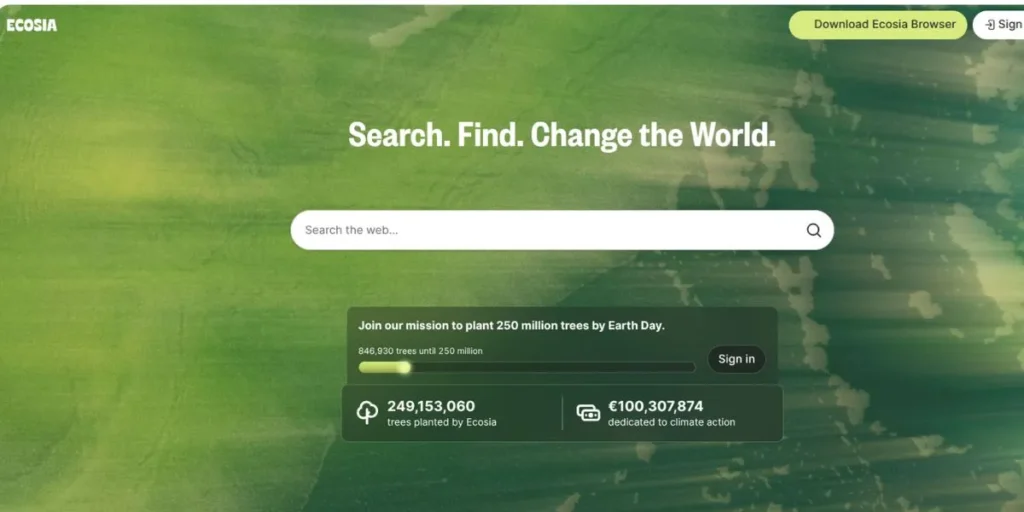
Ecosia is a conservative search engine with a mission statement that goes far beyond the simple realm of privacy and into the world of saving the planet. This search engine uses the income it generates to fund tree planting around the world and thus every search you make on the tool contributes to the cause in some small way.
On the level of privacy, the tool is completely anonymous and does not sell the results of the queries you make to advertisers. If you are an environmentalist who wants a search engine with a conscience and who values privacy as well, then this could be the tool you are looking for.
Key Services:
- Tree-planting funded by search revenue
- 100% renewable energy operation
- Anonymized search queries
- Transparent financial reporting
- No user data sales
Best For: Eco-conscious users
https://www.ecosia.org
8. Gibiru
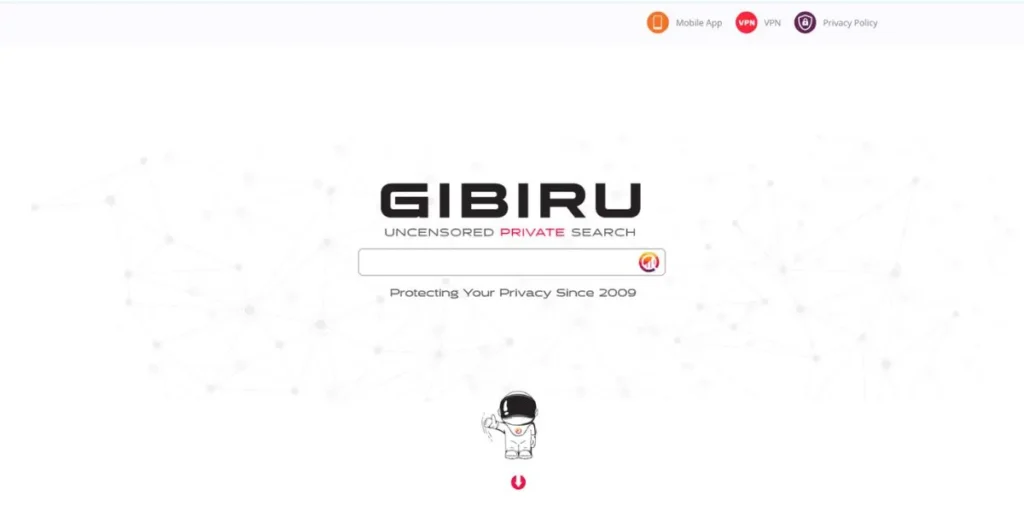
Gibiru has been around as a private and completely uncensored search engine since 2009 and thus is one of the oldest and most respected alternatives to the competition. This tool was specifically created to give you completely raw and unfiltered results without the ability of the company to track who asked for the results in the first place.
This tool uses the Google search engine as a basis but strips out the ability of the company to track the results of the queries you make and thus provides you with completely powerful results without the ability of the company to track you at the same time. This tool is especially popular with those who believe the competition suppresses certain types of content.
Key Services:
- Uncensored search results
- Based on Google’s search tech
- No user data collection
- Access to independent news sources
- Optional enhanced privacy mode
Best For: Uncensored, unfiltered results
www.gibiru.com
9. MetaGer

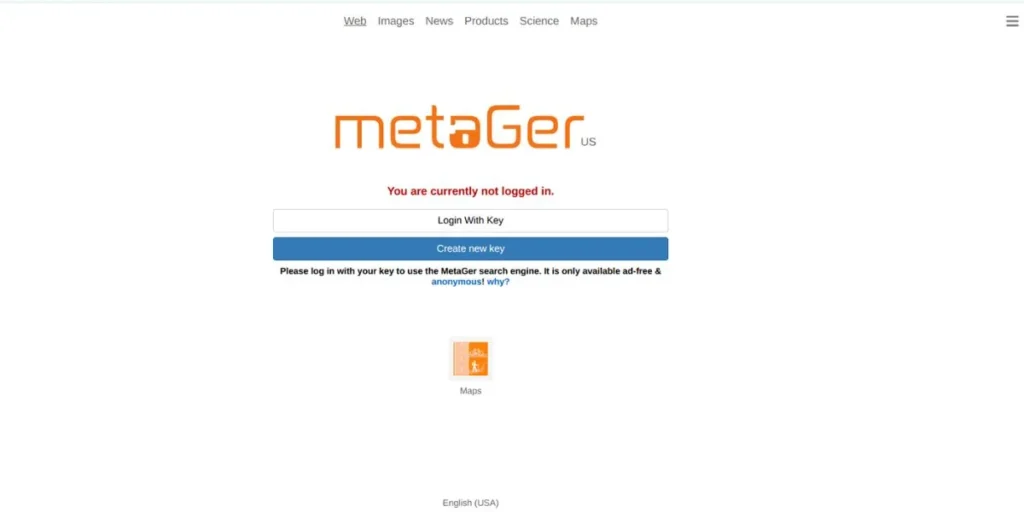
MetaGer is a conservative search engine based in Germany, run by a non-profit organization. It is one of the search engines that is committed to the highest level of privacy, with no tracking, no need to register, no ads, and no storage of any kind. It also offers a proxy service, so you don’t need a VPN to browse anonymously through your search results. While the service is free to use, a token is required to use the advanced anonymous browsing features.
Key Services:
- Built-in proxy (no VPN needed)
- Non-profit operated
- No tracking or login required
- Anonymous link opening
- Open-source technology
Best For: Maximum anonymity seekers
https://metager.org
10. Search Encrypt
The final search engine on this list is Search Encrypt, a conservative search engine that offers full encryption for its users. It is designed for those who need to ensure that their search queries are completely secure and protected. Each search is encrypted from the time you start typing, and when your session is over, your search history is erased from your computer.
It does not store any information, does not make any profiles, and does not share anything with advertisers. It is fast, simple, and easy to use, making it a great choice for those who want to use a search engine that is secure without any hassle or fuss.
Key Services:
- End-to-end query encryption
- Auto-clearing of local history
- No search logs kept
- Private video search
- Simple, fast interface
Best For: Encrypted, session-based privacy
https://searchencrypt.com/home
Comparison Table: Top Conservative Search Engine 2026
| Search Engine | Independent Index | Bias Level | Best For | Key Features |
|---|---|---|---|---|
| Brave Search | Yes | Low | Independence from Big Tech | Independent index, tracker/ad blocking, encrypted queries, customizable privacy, no profiling |
| DuckDuckGo | Partial | Low | Everyday private search | Zero tracking, privacy grading, instant answers, bangs shortcuts, HTTPS |
| Startpage | No (Google proxy) | Very Low | Google-quality results privately | Google results w/ zero tracking, anonymous view, HTTPS, EU privacy compliance |
| Swisscows | Partial | Low | Family-safe browsing | AI semantic search, family-safe, no cookies/tracking, Swiss privacy law, ad-free |
| Qwant | Partial | Very Low | European users, families | No tracking, Qwant Junior mode, European privacy, neutral results, no personalized ads |
| Mojeek | Yes | Very Low | Maximum algorithmic independence | Independent index, no tracking, ad-free, ethical search, transparent results |
| Ecosia | No | Low | Eco-conscious users | Tree planting funded by searches, renewable energy, anonymized queries, transparent reporting |
| Gibiru | No (Google modified) | Medium | Uncensored results | Uncensored search, based on Google, no data collection, independent news access, enhanced privacy mode |
| MetaGer | No (aggregator) | Very Low | Maximum anonymity seekers | Built-in proxy, non-profit, no tracking/login, anonymous links, open-source |
| Search Encrypt | No | Low | Encrypted, session-based privacy | End-to-end encryption, auto-clearing history, no search logs, private video search |
Which Is the Most Unbiased Search Engine?
On the other hand, many popular conservative search engine alternatives continue to use the same data provided by Bing in the background and therefore use the same prioritization logic. However, the search engine provided by Brave has access to a vast number of pages, with the number being in the trillions and continuously increasing since its launch in 2021.
More than 65 million active monthly users are part of the Brave ecosystem as of 2025 and continue to grow at a rapid pace to become one of the fastest-growing privacy-focused platforms in the world. If you are looking for completely unbiased and unfiltered results, then the best alternative would be the Brave Search engine in 2026.
Is DuckDuckGo an Unbiased Search Engine?
DuckDuckGo is a popular search engine known for being privacy-focused, and therefore, it can be said to be unbiased with a small asterisk. This is due to the fact that the search engine uses some of the results provided by Bing and other third-party sources and therefore uses some of the same prioritization logic as Bing. However, the search engine does not use personalized results based on the user’s history, which is the biggest source of bias among popular search engines like Google and Bing.
As of 2026, DuckDuckGo currently processes close to 3 billion monthly queries and ranks the 2nd most popular mobile search engine in the United States behind Google and ahead of Yahoo and other popular search engines. Moreover, the search engine provides access to more than 13,000 sites directly with the help of the ‘bangs’ feature and therefore ranks among the most versatile conservative search engine options available to the public. For the majority of users, DuckDuckGo provides a far more unbiased experience than Google, but certainly not a completely unbiased one.
What Is the Most Ethical Search Engine?
However, Ecosia makes the strongest case for being considered the most ethical conservative search engine in 2026. It is the only major search engine that directly channels its revenues back into environmental restoration, specifically tree planting in dozens of countries worldwide. It is powered entirely by renewable energy, publicly releases its financial information on a monthly basis, and is designed to prevent profits from being extracted for shareholders.
Another honorable mention here is Mojeek, which is run as an independent company with no venture capital pressure and a stated commitment to ethical result ranking. MetaGer, run by a German non-profit, rounds out this set of genuinely mission-oriented search engines. If you want your online activity to align with your values, Ecosia and Mojeek are currently the two best ethical choices.
Who Owns the Brave Browser?
Brave Browser and Brave Search are owned by Brave Software, Inc., a company based in San Francisco, California. It was co-founded in 2015 by Brendan Eich and Brian Bondy. Brendan Eich, creator of the JavaScript programming language and co-founder of Mozilla, the organization behind the popular Firefox web browser, is the CEO of Brave Software. Brian Bondy, who previously worked at Khan Academy and Mozilla, is the company’s CTO.
The company was initially capitalized with $7 million in early funding from prominent venture capitalists like Peter Thiel’s Founders Fund, Foundation Capital, and Pantera Capital. In 2026, Brave Software generated an annual revenue of about $16.9 million and currently employs about 329 people. Brave Search was released in June 2021 and has since become the fastest-growing independent conservative search engine alternative since Bing entered the market. It is not owned by any of the large tech companies, and this is part of its appeal.
Conclusion
Making a choice to use a conservative search engine in 2026 is one of the easiest steps to take to protect your online privacy. Whether your reason for changing your search engine is based on your concern for data surveillance, political bias, corporate influence, or simply a desire to use a search engine without being tracked by ads, the options provided here give you legitimate and credible alternatives to Google and other large search engines.
From the large user base provided by DuckDuckGo to the complete independence from index providers like Brave Search, and from the family-friendly environment provided by Swisscows to the tree-planting initiative provided by Ecosia, there is an engine to suit your needs and priorities.
FAQs
Are conservative search engines as accurate as Google?
Generally, most options provided by conservative search engines are reliable and accurate for everyday searches. However, due to Google’s much larger index, searches for more niche or specific searches may yield less accurate results compared to Google, especially for search engines like Mojeek and Brave Search. However, with LLM and NLP-based results, this gap is rapidly diminishing in 2026.
Do conservative search engines make money without selling data?
Yes. Most of them employ contextual advertising, i.e., they show you the results based on the words in your current query rather than your personal history. Sites like DuckDuckGo and Startpage are successfully using this model. Others, like Ecosia, are using the ad revenue generated for charitable purposes, while the MetaGer search engine is supported by a non-profit organization and receives donations in the form of tokens.
Can I use a conservative search engine as my default browser search?
Absolutely! The most popular ones, including DuckDuckGo, Brave Search, and Startpage, can be set as your default search engine in browsers such as Google Chrome, Mozilla Firefox, Safari, and Microsoft Edge. Brave Search will automatically become the default search engine when you use the Brave Browser.
Is DuckDuckGo safe for children?
DuckDuckGo is a safer search engine than Google, but it is not suitable for children since it does not provide child-safety features. Sites like Swisscows and Qwant Junior are better options in the NLP-friendly search engine list, as they automatically filter explicit content without the need to set anything up.
What is the difference between a VPN and a conservative search engine?
A Virtual Private Network, or VPN, secures your internet connection from all websites and services, hiding your IP address from them. A conservative search engine, on the other hand, only secures your search queries, so they are not stored, tracked, or used to create a profile about you. Using a conservative search engine in addition to a VPN, especially one that offers proxy tools like MetaGer, will provide you with maximum security during your online session.
Suggested Read: Free Directory Submission Sites